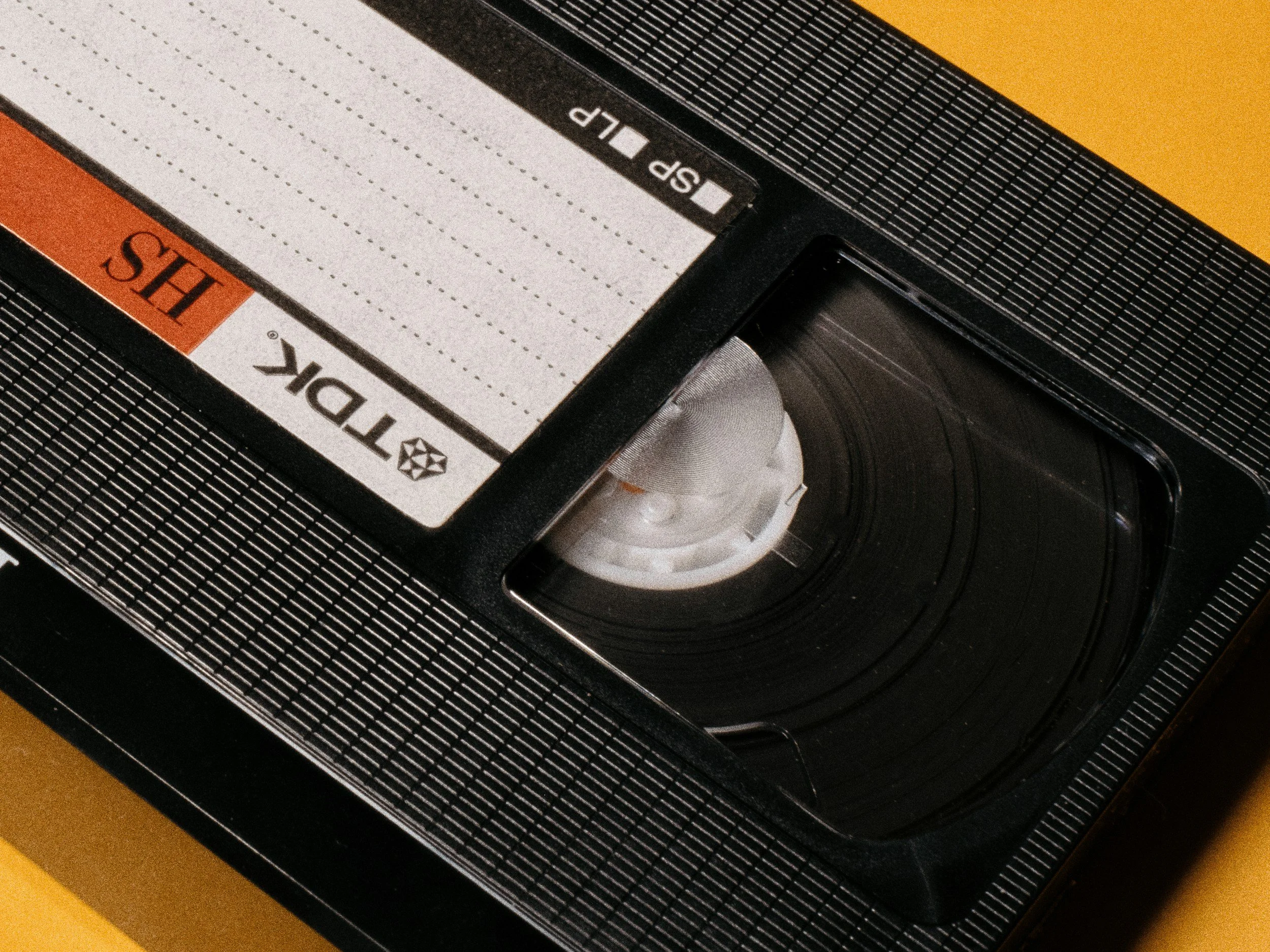
How to Prepare Your Old Tapes Before Video Transfer

Finding a box of old videotapes can bring back a lot of memories.
But before sending them for transfer, it helps to organize what you have.
You may have VHS tapes mixed with VHS-C, Hi8, Video8, MiniDV or other formats. Some may be clearly labelled while others may simply say “Christmas” or “Family.”
A little preparation can make the entire process easier.
Identify the Format
Start by looking at the cassette.
Common formats include:
VHS
VHS-C
SVHS
Video8
Digital8
Hi8
MiniDV
HDV
Different formats require different playback equipment.
If you're unsure what you have, a professional transfer service can help identify the media.
Xpression's video transfer service handles a range of videotape, film and optical-disc formats.
Don't Throw Away Tapes Because They Look Old
An old cassette doesn't necessarily mean the recording is gone.
Some tapes can look worn while still containing usable footage.
Handle them carefully and avoid unnecessary playback if you're concerned about their condition.
Label Each Tape
If you remember what is on a tape, write it down.
For example:
Christmas 1998 — Family
or:
Portugal Trip — Summer 2001
This information can make your digital collection much easier to organize later.
Write Down Approximate Dates
You don't need to know the exact date.
Even an approximate year can help when you're transferring dozens of tapes and trying to determine which files correspond to which memories.
Don't Open or Repair the Cassette Yourself
If a tape looks damaged, resist the temptation to take it apart.
Old tape mechanisms can be delicate.
Instead, have the media assessed by someone experienced with the format.
What About DVDs?
Older home videos aren't always on videotape.
Some families have DVDs, Mini DVDs or other optical media containing memories.
These can also become increasingly difficult to access as modern computers remove optical drives.
What About Old Film?
If your family has old 8mm, Super 8, 16mm or other film reels, those require a different process from videotape.
Film needs to be scanned using appropriate equipment.
Xpression also provides film transfer services.
Decide How You Want Your Digital Files Delivered
Think about how you'll actually use the videos once they're transferred.
You may want files on a USB drive, cloud delivery, or both.
Having a plan makes it easier to organize your collection once the transfer is complete.
Keep Your Original Media
Digital files are convenient, but don't automatically throw away the original tapes or film.
Store the originals somewhere dry, cool and safe.
They remain part of your family's physical archive.
Back Up Your Digital Memories
Once your tapes have been transferred, make another copy.
A digital file stored on one computer isn't a complete backup strategy.
Consider maintaining at least one additional copy on another storage device or secure cloud service.
Your Old Tapes Are More Than Old Technology
VHS and MiniDV may seem outdated today.
But the memories recorded on them aren't.
Those tapes may contain people, voices and moments that can't be recreated.
At Xpression Video Productions, we provide video transfer and digitization services in Toronto and the GTA.
If you have a box of tapes sitting in storage, now is a good time to find out what's actually on them.
The technology may be old. The memories aren't.
Related Posts