What to Expect on a Corporate Video Shoot: A Behind-the-Scenes Look
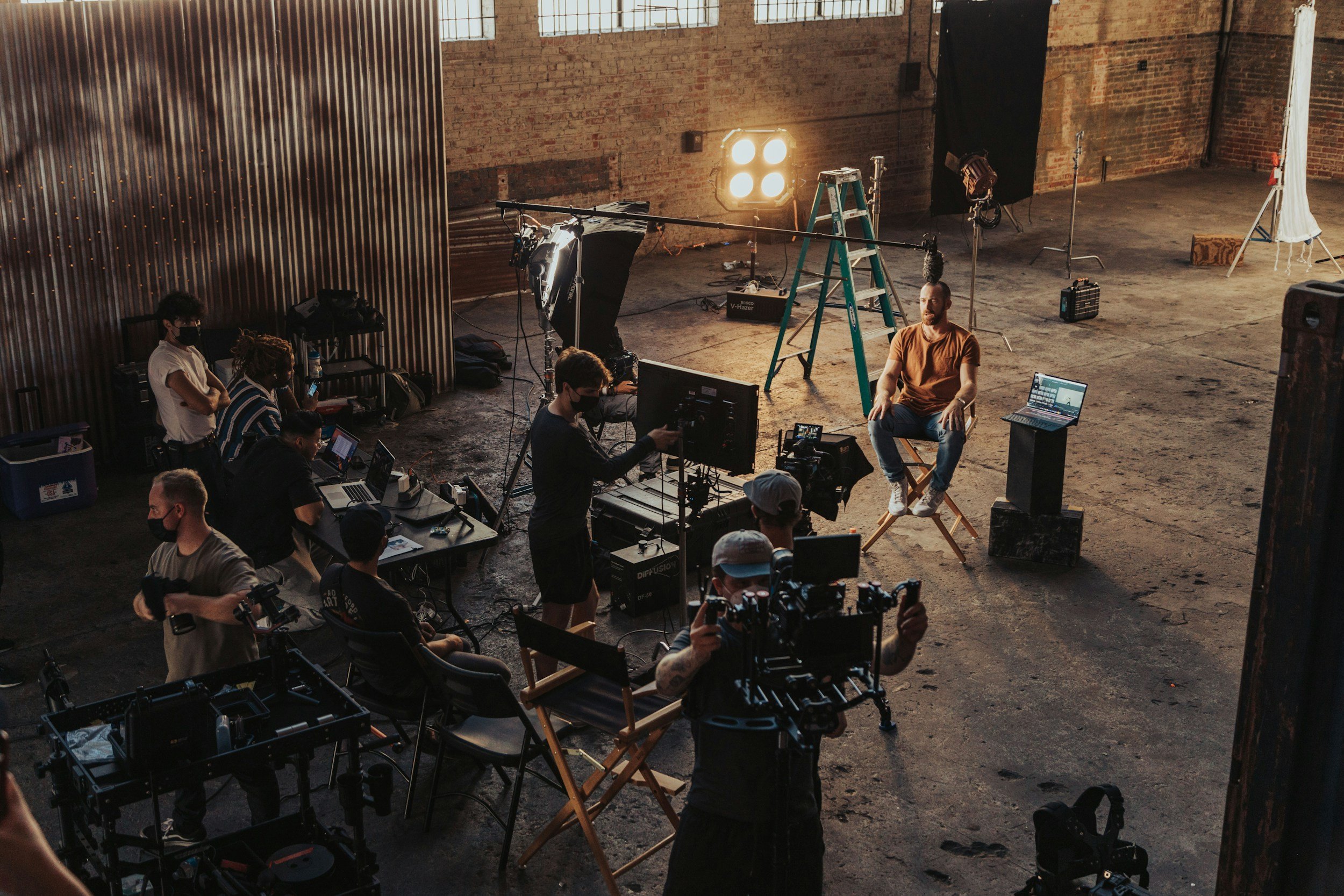
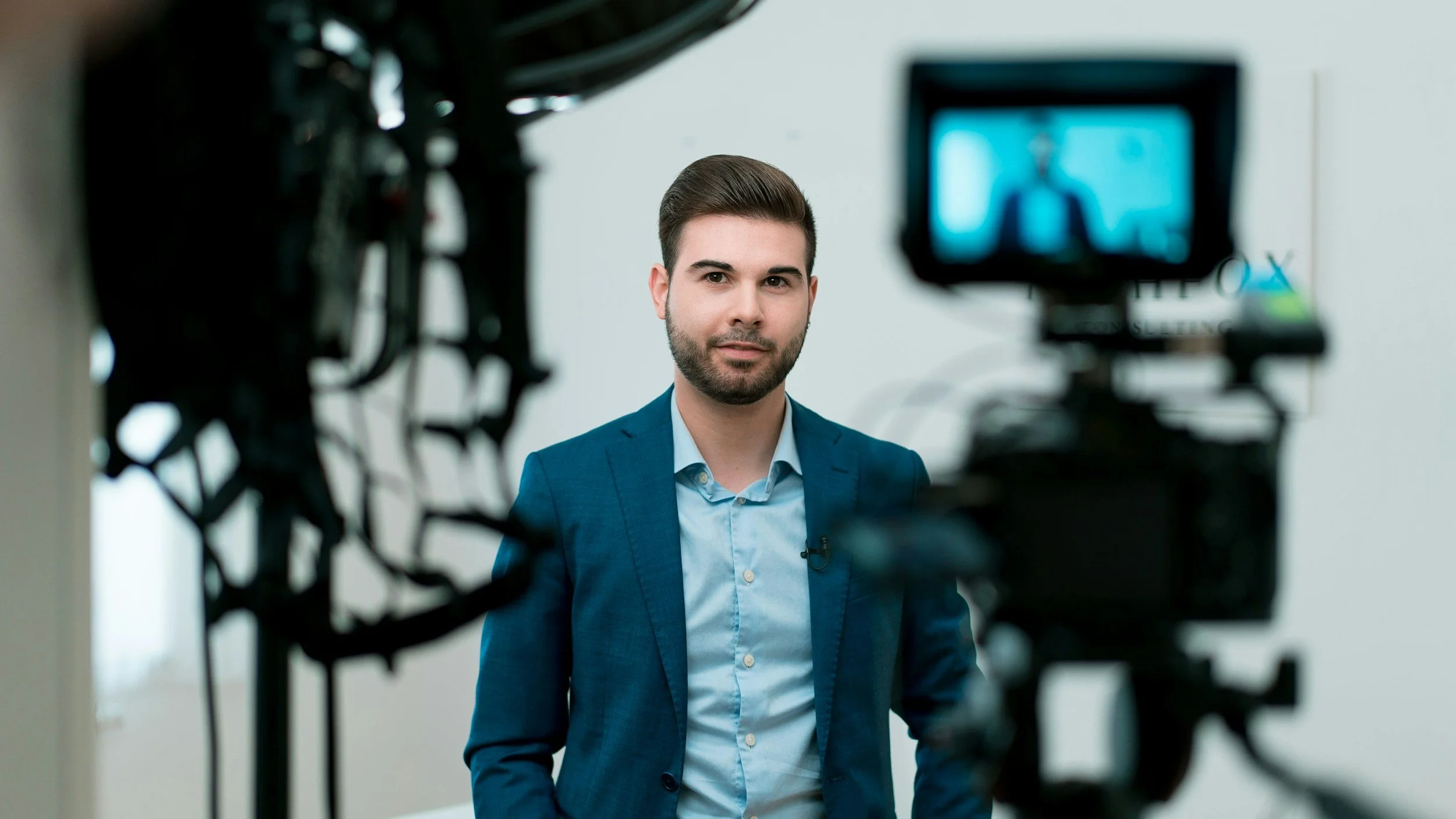
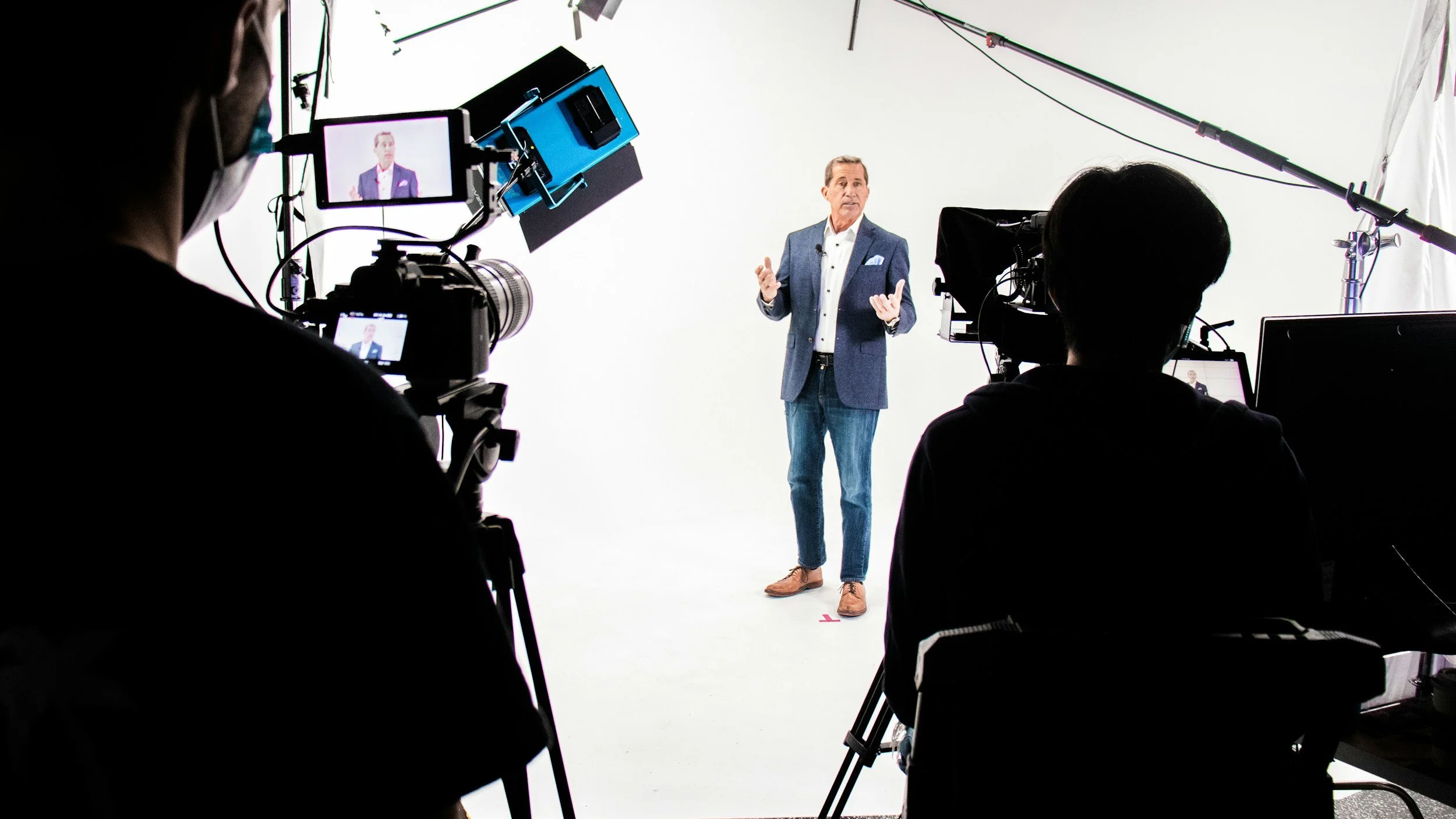
If you've never been part of a professional video production, the idea of having cameras, lights and microphones pointed at you can feel a little intimidating.
What happens when the production team arrives? How long does setup take? Where should you stand or sit? What if you forget what you wanted to say?
The good news is that you don't need to be a professional on-camera presenter. A well-planned corporate video production should make the process feel organized, comfortable and straightforward.
Here's what you can expect when the production day arrives.
Before the Cameras Start Rolling
A successful video shoot begins before the first camera is turned on.
Depending on the project, your production team may already have discussed the location, schedule, interview subjects, key messages and overall goals with you.
Having this information in advance allows the production team to arrive prepared and make the most of the time available.
For larger productions, there may also be a shot list or production plan outlining the interviews, B-roll and other footage that needs to be captured.
The Production Team Will Assess the Location
When the crew arrives, one of the first things they will do is look at the environment.
The location can have a major impact on the finished video. The team may look at available natural light, background options, room size, electrical outlets, ambient noise and where equipment can be positioned.
Sometimes the best-looking location isn't necessarily the first room you had in mind.
A production team may suggest another area because it provides better lighting, a more interesting background or a quieter environment for recording.
Setting Up the Lighting
Professional lighting is one of the elements that can make a significant difference in the appearance of a corporate video.
The production team may use one or several lights to create a flattering and professional look while separating the subject from the background.
The goal isn't to make the lighting obvious. Good lighting should feel natural and allow the viewer to focus on the person speaking.
Setting Up the Camera
Once the location and lighting are determined, the camera can be positioned.
The framing will depend on the type of video being produced. A corporate interview may use a traditional medium shot, while another project may require a wider environmental composition that shows more of the workplace.
The camera position is carefully considered so the finished footage looks intentional and professional.
Audio Is Set Up Before the Interview
Good video needs good sound.
Depending on the production, the team may use wireless microphones, directional microphones or other audio equipment to capture the interview clearly.
The crew will also listen for potential distractions such as air conditioning, machinery, traffic, conversations or other background noise.
Sometimes a small change in location can make a major difference to the quality of the recording.
You Don't Have to Memorize Everything
One of the biggest concerns people have before appearing in a corporate video is forgetting what they're supposed to say.
You generally don't need to memorize an entire script word-for-word.
Depending on the project, you may be provided with questions, talking points or a script. Your production team can help you work through your answers and repeat a response when necessary.
It's completely normal to do another take.
In fact, multiple takes are often part of the process.
The First Take Doesn't Have to Be Perfect
The camera starts rolling and suddenly you forget everything you wanted to say.
Don't worry.
This happens all the time.
A professional production environment should give you the opportunity to relax, gather your thoughts and try again. The goal isn't to pressure you into delivering a perfect performance on the first attempt.
The best responses often happen once people become comfortable with the camera.
B-Roll Helps Bring the Video to Life
The interview may be the foundation of your corporate video, but it isn't necessarily the only footage being captured.
Your production team may also record B-roll of your workplace, employees interacting, products being used, equipment operating or other activities related to your business.
This footage can later be edited together with the interview to make the finished video more visually interesting.
It can also help demonstrate what your company actually does rather than simply having someone explain it.
The Crew May Ask You to Repeat an Action
If you're being filmed working, don't be surprised if the production team asks you to repeat something.
For example, they may ask you to walk into a room again, repeat an interaction with a colleague or perform an action more slowly.
This isn't because the first take was necessarily bad. It may simply give the editor another angle or cleaner shot to work with.
These small details can make a big difference during editing.
Keep the Day Moving
Professional video production involves a lot of moving parts.
While the production team is responsible for the technical side of the shoot, everyone involved can help keep things running efficiently.
Having interview subjects available when they're scheduled, preparing workspaces in advance and communicating any changes to the production team can help prevent unnecessary delays.
The more organized the day is, the more time there is to concentrate on creating great footage.
What Happens After Filming?
Once filming is complete, the work isn't finished.
The footage needs to be reviewed, organized and edited. Depending on the project, this may include selecting the strongest interview responses, incorporating B-roll, editing music, adjusting colour, refining audio and adding graphics or branding.
This is where the footage captured on production day becomes a finished corporate video.
A Good Production Should Feel Collaborative
Corporate video production shouldn't feel like you're simply showing up and being put in front of a camera.
The best results usually come from collaboration between the client and production team.
You know your business, your employees and your audience. The production team brings the experience to translate that information into an effective visual story.
When those two sides work together, the final video can feel both professional and authentic.
Don't Be Nervous About Being on Camera
If you've never participated in a professional video shoot, it's completely normal to feel nervous.
You don't need to be a professional actor or experienced presenter. You simply need to understand your message and be yourself.
The production team handles the cameras, lighting, audio and technical details so you can focus on communicating what you know.
At Xpression Video Productions, we work closely with businesses throughout Toronto and the GTA to make corporate video production organized, professional and comfortable for everyone involved.
Whether you're creating an employee interview, company video, promotional piece, training video or another type of corporate production, our goal is to make the production process straightforward from preparation through final delivery.
Learn more about our corporate video production services or contact Xpression Video Productions to discuss your next project.
Related Posts