How to Plan a Stress-Free Wedding Day Timeline for Videography
Your wedding day is often described as the best day of your life, but any past bride or groom will tell you it is also the fastest. One minute you are sipping mimosas in your robe, and the next, you are waving goodbye under a canopy of sparklers. Because the day flies by in such a blur, your wedding video becomes the most tangible way to relive those emotions. It captures the quiver in a voice during vows, the roar of laughter during speeches, and the sway of your first dance.
However, capturing those cinematic moments requires more than just a camera; it requires time. A rushed timeline is the enemy of creativity. When you are sprinting from the ceremony to the reception to beat Toronto traffic, it is hard to feel relaxed, and that stress shows up on camera.
This guide will help you construct a wedding day schedule that prioritizes your peace of mind while ensuring your videographer captures every magical second. Additionally, we recommend visiting our Top Wedding Video Trends in Toronto blog for more creative wedding videography ideas.
Why a Videography-Focused Timeline Matters
Many couples assume that a photographer’s timeline works perfectly for video, but the two disciplines have different needs. Photography captures split seconds—a frozen smile or a quick kiss. Videography captures sequences and sound.
To get that sweeping cinematic shot of you walking down the aisle, we need to be in position before you take your first step. To capture clear audio of your vows, we need time to mic up the groom and the officiant before the ceremony begins. When you plan your day with these technical needs in mind, you aren't just making our job easier; you are ensuring your final film looks polished, professional, and breathtaking.
The Golden Rule: Buffer Time is Your Best Friend
If there is one piece of advice you take away from this post, let it be this: add buffer time to everything. In a bustling city like Toronto, moving between venues can take twice as long as Google Maps predicts, especially on a summer weekend.
We recommend adding a 15 to 20-minute cushion to every major transition. If the drive takes 30 minutes, schedule 50. If hair and makeup says they will be done by 11:00 AM, aim for a 10:30 AM finish on paper.
Buffer time isn't just about avoiding lateness; it is about creating space for organic moments. Some of the most beautiful shots in a wedding film happen in the "in-between" moments—the quiet breath you take before entering the church, or the impromptu high-five with your wedding party. If we are rushing, those moments get cut. If we are ahead of schedule, we have the freedom to be creative.
Breaking Down Key Moments for Video
Here is how to allocate time for the essential chapters of your wedding video to ensure nothing feels rushed.
1. The "Getting Ready" Session (60–90 Minutes)
This is where the story begins. For videographers, this time isn't just about filming hairspray and makeup application. We use this time to get establishing shots of the venue, the dress hanging in the window, the rings, and the invitation suite.
Pro Tip: Keep the getting-ready room tidy. Hide the plastic water bottles and duffel bags. A clean space makes for much more cinematic footage. We also need about 15 minutes of pure "getting dressed" time once hair and makeup are complete. This includes buttoning the dress, putting on jewelry, and that emotional moment when you look in the mirror for the first time.
2. The First Look (30–45 Minutes)
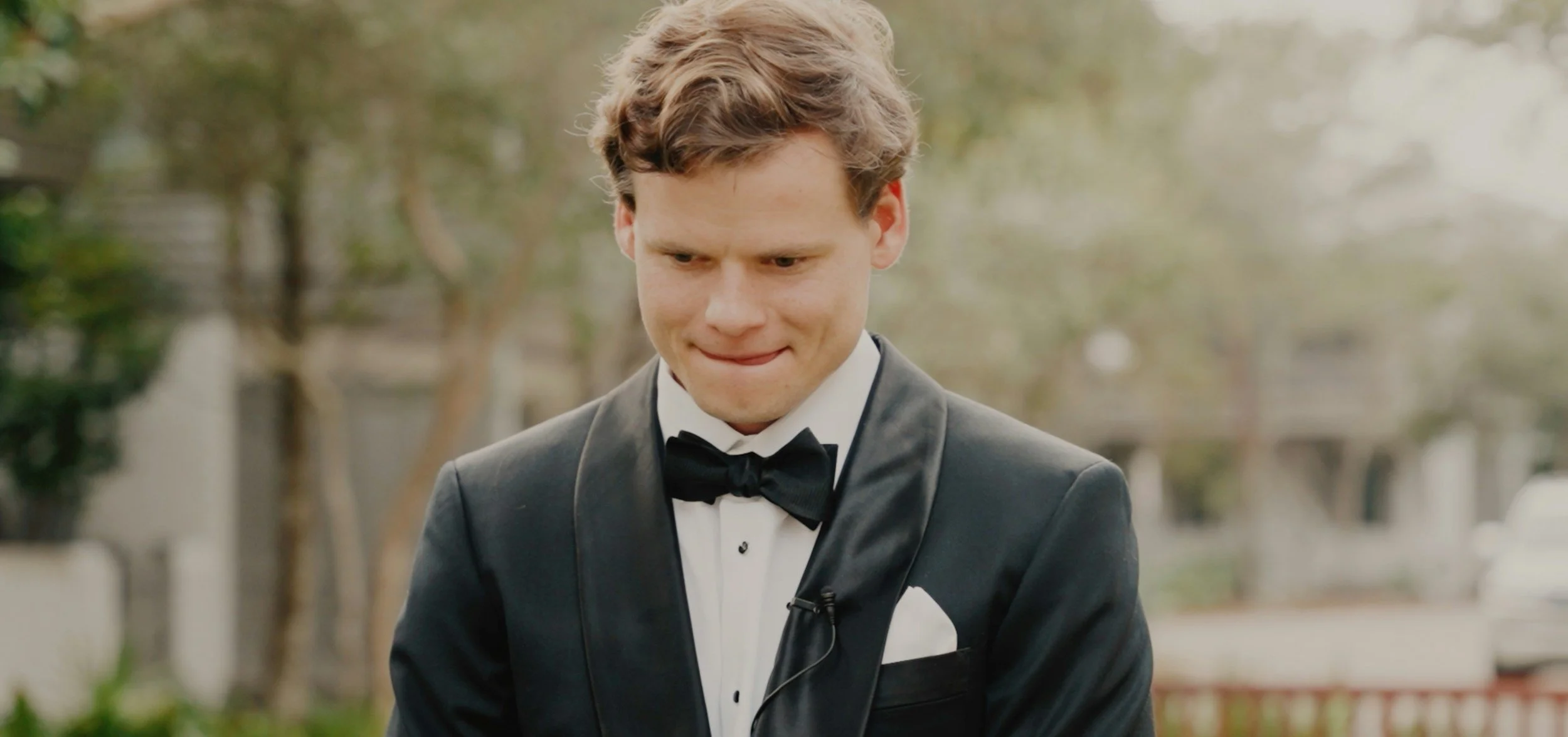
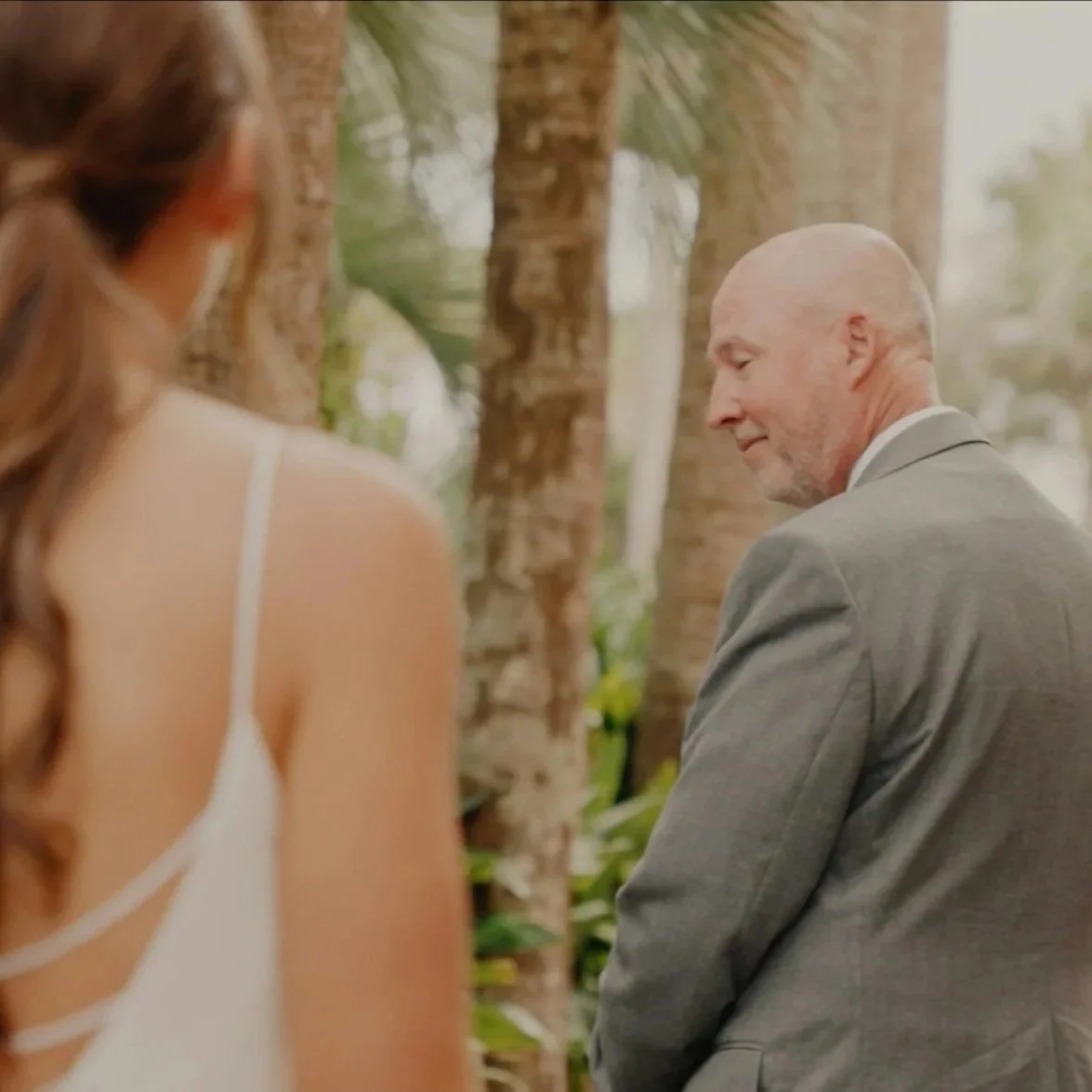
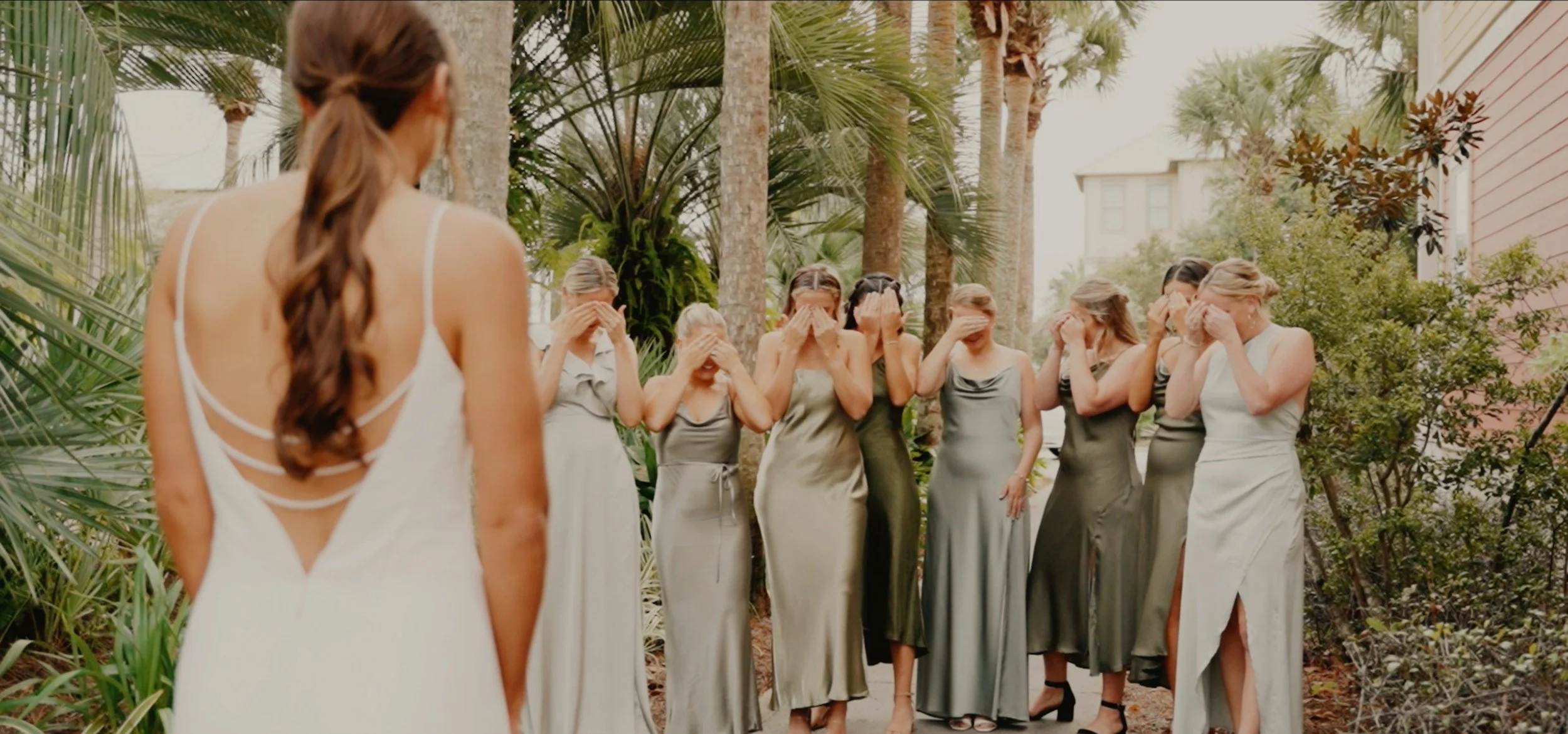
If you choose to do a first look, it can be a fantastic way to calm your nerves and get a large chunk of portraits done before the ceremony. For video, this is a high-stakes moment because we cannot ask you to "do it again."
We need time to set up two angles—one on the groom’s reaction and one on the bride approaching. We also need to ensure the audio is clear so we can hear those first whispered words to each other. Allow at least 30 minutes for the first look and a brief couple’s session immediately after.
3. The Ceremony (45-60 Minutes Pre-Ceremony + Ceremony Length)
The ceremony is the heart of the film. While the ceremony itself has a set length, your videography team needs access to the ceremony site at least 45 minutes before guests arrive.
During this time, we are:
Setting up tripods and multiple camera angles.
Placing microphones on the groom and officiant (and sometimes the podium).
Getting establishing shots of the empty aisle and floral arrangements.
Testing audio levels to ensure no static interferes with your vows.
If you arrive right as the ceremony starts, we might miss the chance to get perfectly crisp audio, which is crucial for the narrative of your film.
4. Creative Portrait Session & Golden Hour
This is often the couple's favorite part of the day. It is the time when you finally get to be alone (mostly) and soak in the fact that you are married.
For the most cinematic look, ask your videographer about "Golden Hour"—the hour before sunset when the light is soft, warm, and flattering. In Toronto, the timing of this changes drastically from summer to winter, so check the sunset time for your specific date. We usually need about 30 to 60 minutes for this session to get a mix of moving shots (walking, holding hands) and static romantic shots.
5. The Reception and Speeches
Reception lighting can be tricky. It is often dark, with DJ lights spinning everywhere. We need about 30 minutes before the Grand Entrance to set up off-camera lighting and audio recorders on the DJ’s soundboard.
Important for Speeches: Please tell us the order of speakers! If we know the Best Man is up first, we can position our cameras to capture his face and your reactions simultaneously. Also, ask your speakers to stand in a specific spot where the light is good, rather than wandering around a dark room with the microphone.
Coordinating Your Vendor Team
Your videographer and photographer are like dance partners; they need to move in sync without stepping on each other's toes.
The Photo-Video Relationship
We always appreciate when couples connect us with their photographer before the big day. We can discuss our shooting styles and ensure we prioritize the same shots. For example, during the first kiss, the photographer usually takes the center aisle spot. If we know this, we can set up slightly to the side with a zoom lens to get a tight, emotional shot without blocking their view.
The Wedding Planner
If you have a planner, loop them into the conversation about video needs early. Planners are masters of logistics, but they might not know that we need 10 minutes to launch a drone for an aerial shot of the venue. By communicating these specific desires, the planner can build them into the master timeline seamlessly.
Specific Tips for a Relaxed Vibe
Forget the Camera: The best wedding films feel natural, not staged. Once the formal portraits are done, try to ignore us. Laugh with your friends, hug your parents, and dance like nobody's watching. We will be on the sidelines capturing the candid magic.
Plan for Travel: We cannot stress this enough—Toronto traffic is unpredictable. If your ceremony is at a church downtown and your reception is in Vaughan or at Cambium farm north of the city, realistic travel times are essential. We cannot film while we are driving, and if we are stuck in traffic, we are missing cocktail hour footage.
Feed Your Vendor Team: This sounds small, but it makes a huge difference. If you can, arrange for your photo and video team to eat at the same time as you (the couple). No one wants to be filmed eating, so while you are dining, we can refuel. That way, when you are done and ready for speeches or dances, we are powered up and ready to roll.
Conclusion
A stress-free wedding timeline is about more than just punctuality; it is about prioritizing your experience. When you build a schedule that respects the technical needs of videography, you are actually gifting yourself time to breathe. You stop checking your watch and start living in the moment.
By adding buffers, communicating with your vendors, and understanding the "why" behind the timing, you ensure that your wedding film is a masterpiece that reflects the joy, not the rush, of your big day.
Ready to start planning your cinematic wedding film? Reach out to us today, and let’s build a timeline that works for you.