What Happens After Your Wedding? Inside the Wedding Film Editing Process
The Wedding Is Over. But the Film Is Just Beginning.
The last song has played, the reception is winding down, and you've finally said goodbye to your family and friends. You leave the venue as newlyweds, ready to begin the next chapter of your lives.
For your wedding videographer, however, another important part of the process is just beginning: the editing.
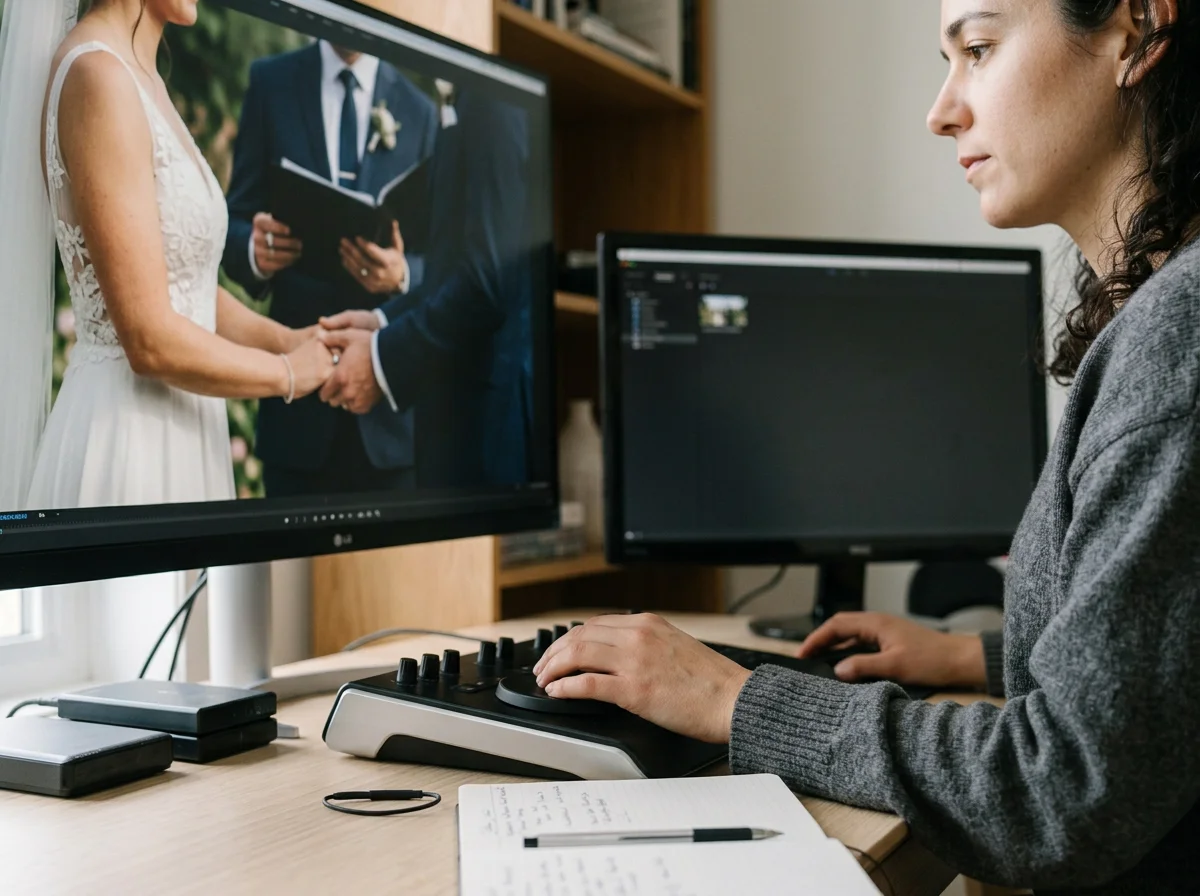
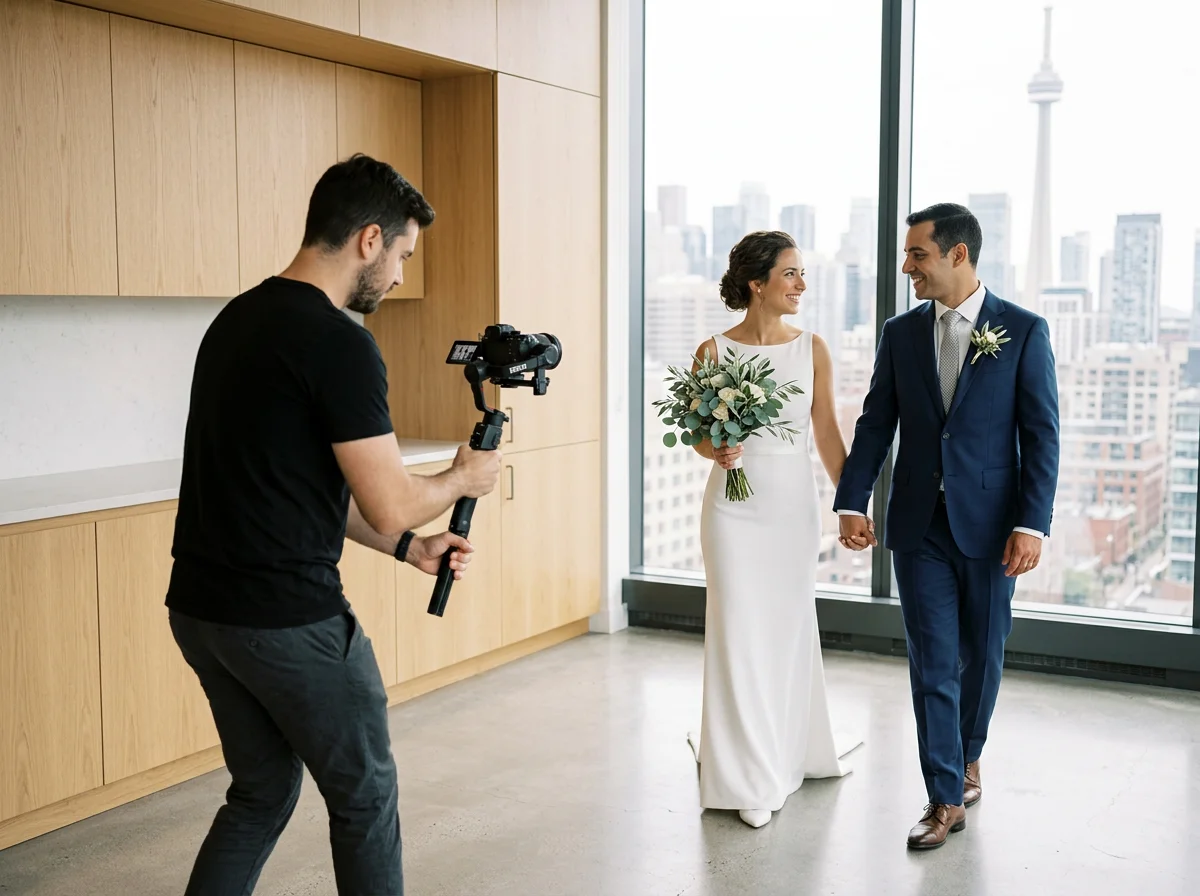
It's easy to think of wedding videography as simply showing up with cameras and recording the day. In reality, filming is only one part of creating a finished wedding film. What happens after the cameras stop rolling can take many hours and requires just as much thought, creativity and attention to detail as the filming itself.
Behind the finished film you eventually watch is a significant amount of work. Footage needs to be organized, hundreds or even thousands of clips need to be reviewed, audio needs to be synchronized, the strongest moments need to be selected, and the story needs to be carefully constructed. Colour, music, pacing and sound all need to work together.
The goal isn't simply to give you everything that was recorded.
The goal is to discover your story within all of it.
How Much Footage Does a Wedding Create?
A full wedding day can generate an enormous amount of material. Depending on the length of coverage, number of cinematographers and cameras being used, there may be hundreds or even thousands of individual clips.
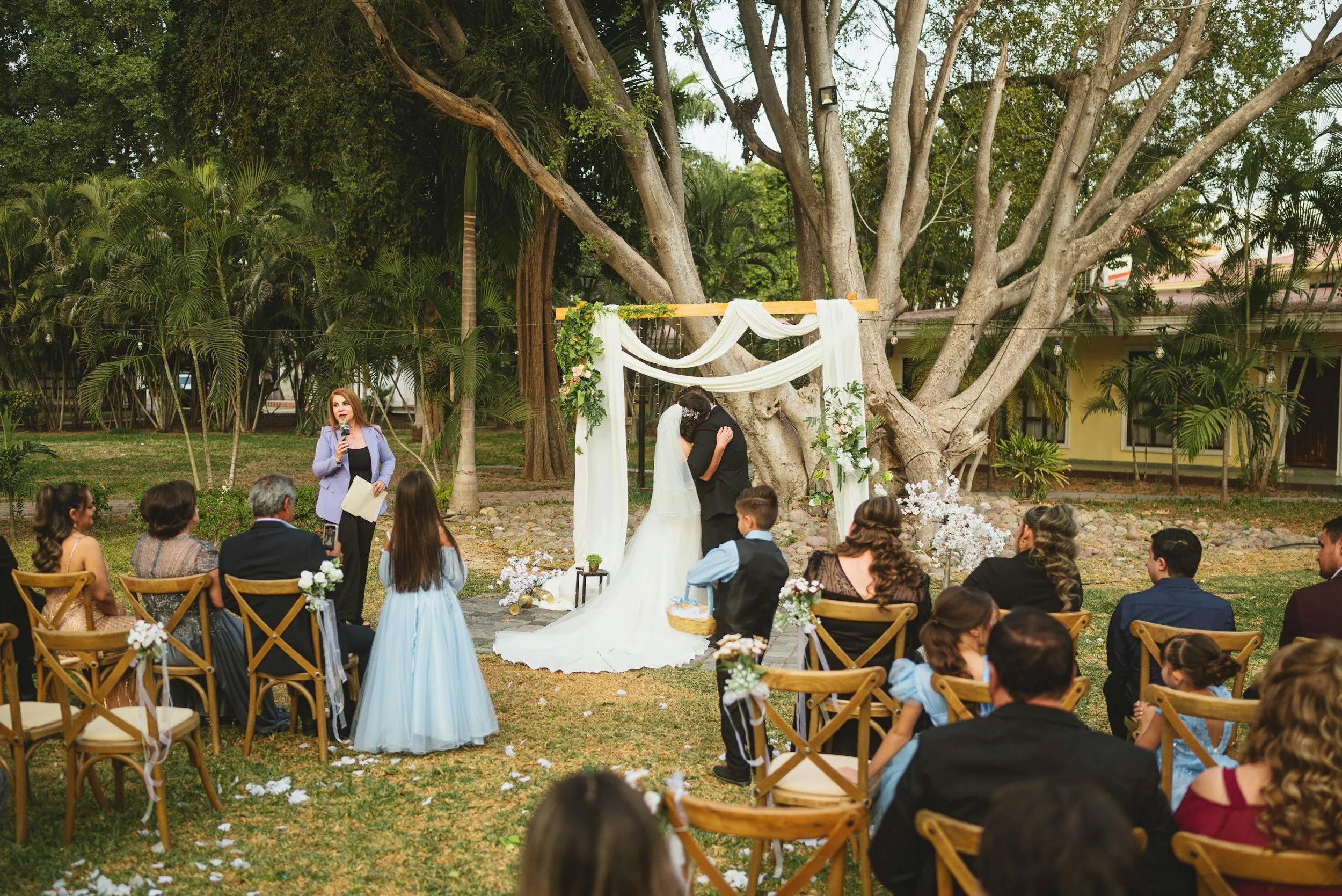
There is footage of the bride and groom getting ready, details of the venue, the ceremony, vows, family interactions, portraits, cocktail hour, speeches, first dances, cultural traditions and the reception. Then there are all the moments that weren't planned—the conversations between family members, laughter among friends, reactions during speeches and little interactions that happen throughout the day.
Not every clip belongs in the final film. The challenge is determining which moments deserve to remain and which ones don't contribute to the story.
That's where professional editing becomes much more than simply putting clips together.
The First Step: Organizing Your Wedding Footage
Before the creative editing begins, everything needs to be carefully organized.
When multiple cameras are used, each camera creates its own collection of files. Audio may have been recorded separately, while different portions of the wedding may have been captured from different perspectives. All of that material needs to be sorted, identified and prepared for the editing process.
Audio recordings need to be matched with the appropriate footage, while different camera angles may need to be synchronized so the editor can move between perspectives naturally.
This technical preparation isn't something you'll notice when watching the finished film, but it forms the foundation for everything that follows.
Then We Watch the Wedding All Over Again
One of the most time-consuming parts of professional wedding video editing is simply watching the footage.
The editor needs to understand what actually happened throughout the day. Some clips may be technically unusable, while others may be perfectly good but don't add anything meaningful to the story.
Then there are those unexpected moments that immediately stand out—a reaction, a glance, a laugh, a hug or a short exchange between two people.
Those moments can be incredibly valuable because they give the finished wedding film personality.
Your wedding isn't a collection of perfect camera shots. It's a collection of real people experiencing an important day together.
The editor's job is to find those human moments.
Finding the Story Within the Footage
This is where wedding video editing becomes more than assembling clips in chronological order.
Your wedding happened in a particular sequence, but your finished film doesn't necessarily need to tell the story in exactly the same order. Perhaps a line from your vows creates the perfect opening. Maybe something said during a parent's speech provides the emotional foundation for footage captured earlier in the day. Perhaps laughter from the reception works beautifully over a sequence showing the preparations.
These creative connections allow the film to move beyond simple documentation and become storytelling.
The editor is constantly considering what the viewer should see, what they should hear and how one moment can naturally lead into another.
It's one of the reasons we believe the editing process is just as important as the filming itself.
Building the First Version of the Film
Once the strongest material has been identified, the story begins to take shape.
Key visuals are combined with vows, speeches, reactions, natural sound and music. Scenes are arranged so the film develops naturally rather than feeling like a collection of unrelated clips.
This is also where the personality of the filmmaker becomes apparent.
Two editors could receive the exact same wedding footage and create two completely different films. One might focus heavily on the chronology of the day, while another might build the story around the couple's relationship, family reactions or the emotional moments within the celebration.
The cameras provide the material.
The edit determines how that material becomes a story.
Audio Deserves Just as Much Attention as the Picture
Beautiful images are only part of a great wedding film. Sound plays an equally important role in bringing memories back to life.
Your wedding film may include vows, readings, speeches, toasts, live music, laughter, applause and natural room sound. These elements all need to work together without competing with each other.
The voices that matter most need to remain clear and understandable while the natural atmosphere of your wedding is preserved.
Years from now, you may not remember exactly what the room looked like when you exchanged your vows. But hearing your partner's voice say those words again can immediately transport you back to that moment.
The same is true for a parent's speech, a grandparent's words or the laughter of your closest friends.
Sometimes the most powerful part of a wedding film isn't a dramatic visual.
It's simply hearing someone you love.
Choosing the Right Music
Music can dramatically influence the emotion and pacing of a wedding film.
A quiet preparation sequence may call for something subtle and intimate, while a lively reception may require more energy. An emotional speech may work best when the music creates space rather than competing with the person speaking.
Music shouldn't simply be placed underneath beautiful footage because it sounds good. It needs to support the story and work with the natural rhythm of what happened during your wedding.
The pacing of the edit, the music and the natural sounds from your wedding should all work together to create a cohesive experience.
Colour Correction Brings Everything Together
Your wedding may take place in several different environments throughout the day. You could begin in a bright hotel room, move into a church with completely different lighting, spend time outdoors and then finish the evening inside a reception hall.
When multiple cameras are involved, the footage can also have subtle differences in colour and exposure.
Colour correction helps create consistency throughout the film. Skin tones should look natural, exposure should feel balanced and different camera angles should feel like they belong together.
The goal isn't to make your wedding look artificial.
It's to create a polished visual experience while preserving the atmosphere and character of the day.
The Art of Knowing What to Leave Out
Once the main story has been assembled, the film goes through another level of refinement.
Timing is adjusted. Shots are shortened or extended. Transitions are refined. Audio levels are balanced. Music is adjusted. Moments that don't contribute to the story may be removed.
This is one of the less obvious aspects of professional editing: sometimes making a film better means taking things out.
You may have hundreds of beautiful moments from your wedding, but including every beautiful moment doesn't necessarily create a beautiful film.
Good editing is often about knowing what to leave out.
Why Your Wedding Highlight Film Isn't Just a Montage
A great highlight film shouldn't simply be a sequence of attractive shots placed beside one another.
It should have a sense of progression.
There should be an introduction, a development of emotion and moments that build toward something meaningful. The final sequence should leave you with a feeling that represents the experience of your wedding.
This is the difference between watching footage and watching a film.
A professionally edited wedding film isn't trying to show you everything.
It's trying to show you what mattered.
You can see examples of how we approach this kind of storytelling throughout our wedding films and cinematography work.
Why Does Wedding Video Editing Take So Long?
One of the questions couples often have is how long it takes to receive their finished wedding film.
The answer can vary depending on the scope of the wedding, the amount of footage captured and the films included in the package. What doesn't change is the amount of care required to create something worthwhile.
Professional post-production isn't simply copying files from a camera to a hard drive. Footage has to be reviewed, organized and selected. Audio needs to be edited. Music needs to be incorporated. The story needs to be constructed. Colour needs to be refined, and the finished film needs to be carefully reviewed before delivery.
And because your wedding only happens once, the editor has to make the most of what was captured.
There are no reshoots.
There is no opportunity to recreate the moment.
The footage represents a once-in-a-lifetime day, and the editing process is about turning that material into something you'll want to keep watching.
What Makes a Great Wedding Video Editor?
Technical knowledge is important, but storytelling instincts are equally valuable.
A good wedding editor needs to recognize emotion, understand timing, control pacing and know when a moment needs room to breathe. They need to understand how dialogue interacts with music and how seemingly unrelated moments can work together to create a larger story.
Most importantly, they need to recognize that every wedding is different.
Your film shouldn't feel like a template that has simply been filled with your footage.
It should feel like your wedding.
The Cameras Capture the Moments. The Edit Brings Them Together.
At Xpression Video Productions, we consider post-production an essential part of the filmmaking process.
The cameras capture the raw ingredients—the people, places, voices, emotions and moments that make your wedding unique. The editing process brings those ingredients together into a story that can be experienced again long after the wedding day has passed.
We look for the moments that reveal your personalities, the voices that bring emotion to the story and the details that help recreate the atmosphere of the day.
Because years from now, you probably won't remember how many clips were recorded.
You'll remember the moments that made you feel something.
Your Wedding Film Is Made Twice
The first time your wedding is created is the day it happens.
The second time is in the edit.
The cameras preserve the moments, but the editing determines how those moments live together. It gives the film rhythm, emotion, structure and personality.
That's why choosing a wedding videographer shouldn't only be about who will be standing behind the camera on your wedding day. It's also worth understanding who will be shaping your story afterward.
If you're comparing wedding videographers in Toronto, take the time to watch their finished films rather than judging their work solely by camera equipment or a short promotional reel. The finished product will tell you much more about how they approach storytelling.
Looking for a Toronto Wedding Videographer?
If you're looking for a Toronto wedding videographer who puts as much care into the editing and storytelling as they do the filming, we'd love to hear about your plans.
Whether your wedding is taking place in Toronto, Brampton, Mississauga, Vaughan, Woodbridge, Niagara or elsewhere across the GTA, we want to understand what makes your celebration unique and create a film that reflects it.
Your wedding day may only last a few hours, but the memories captured within it can last for generations.
The wedding lasts a day. The film lasts for generations.
Contact Xpression Video Productions to tell us about your wedding and the kind of film you're envisioning.
Related Posts