How to Coordinate Your Wedding Photographer and Videographer

Your photographer and videographer are both there to preserve your wedding memories—but they're doing it in very different ways.
One creates still images. The other creates a moving story using picture, sound and motion.
When the two professionals work well together, you get the best of both worlds without feeling like you're constantly surrounded by cameras.
Choose Vendors Who Understand Collaboration
Your photographer and videographer will often be working in the same locations.
During preparations, portraits, the ceremony and reception, they may both want access to the same moments.
A professional team should understand that neither vendor needs to “win” the shot.
The goal is to document the wedding while keeping the couple comfortable.
Tell Both Vendors What Matters Most
Before your wedding, identify the moments that are particularly important to you.
Maybe it's a grandparent, a cultural tradition, a private letter exchange or a surprise planned for your partner.
Tell both your photographer and videographer so everyone can anticipate the moment.
Give Your Vendors the Same Timeline
Your wedding timeline is one of the most useful tools you can provide.
Share the latest version with both vendors, and if something changes, let both teams know.
This becomes particularly important when there are multiple locations or when your portrait session is scheduled around a specific lighting condition.
Avoid Over-Scheduling Your Portrait Session
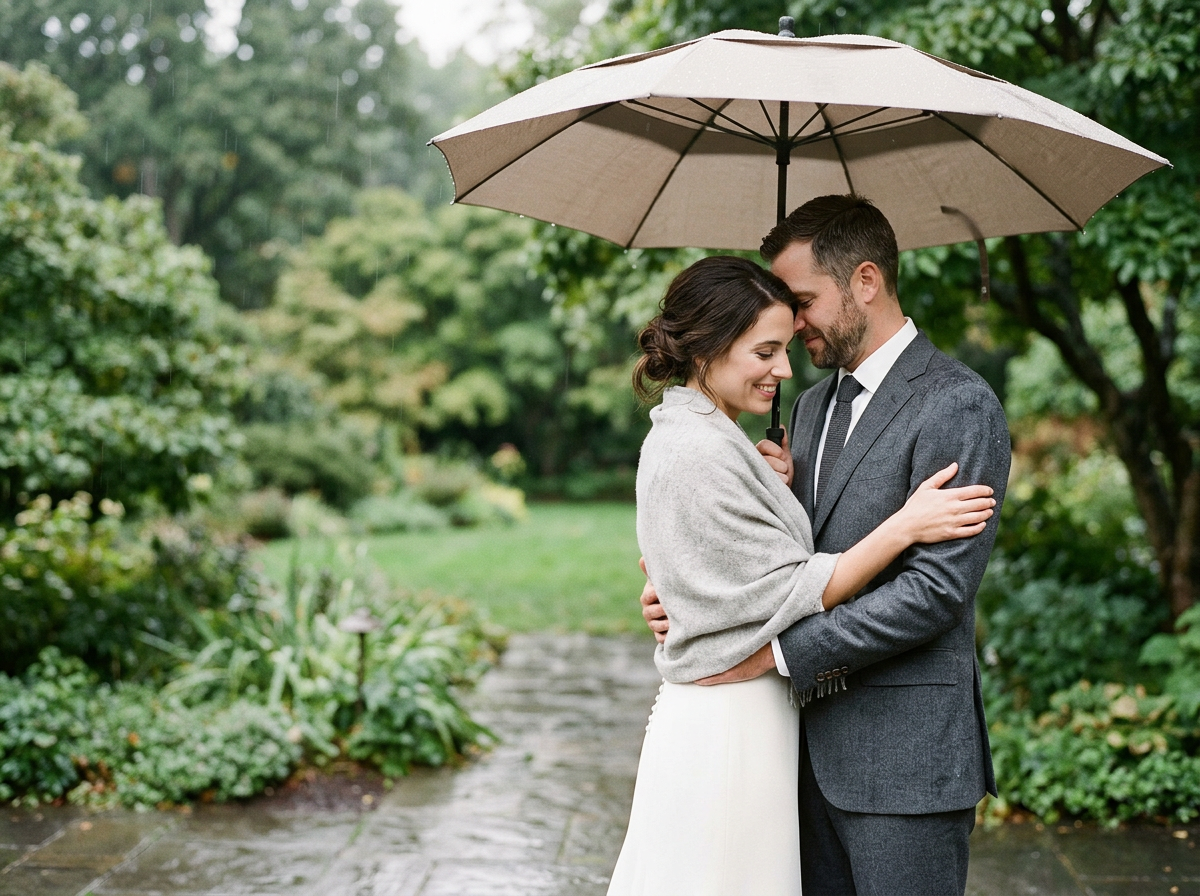
Your couple portraits are important for both photography and video, but don't turn them into an exhausting production.
A little breathing room gives your photo and video teams time to capture natural interactions rather than rushing from one pose to another.
It also gives you an opportunity to actually enjoy the experience.
Let Your Photographer Direct the Still Images
Photographers may need to give you specific instructions for still portraits.
That's perfectly normal.
Your videographer can often work around that direction while capturing movement and natural reactions.
Let Your Videographer Capture Movement
Video needs movement.
Walking together, laughing, looking at each other and interacting with family can create life in a film.
A moment that looks beautiful in a photograph can feel very different when seen as part of a moving sequence.
Be Aware of the Ceremony Space
During the ceremony, both teams need to be respectful of the environment.
Talk beforehand about where each professional will work.
At Xpression Video Productions, we emphasize a candid, unobtrusive wedding videography style so couples can remain focused on the ceremony rather than the cameras.
Don't Ask Your Vendors to Recreate the Same Moment
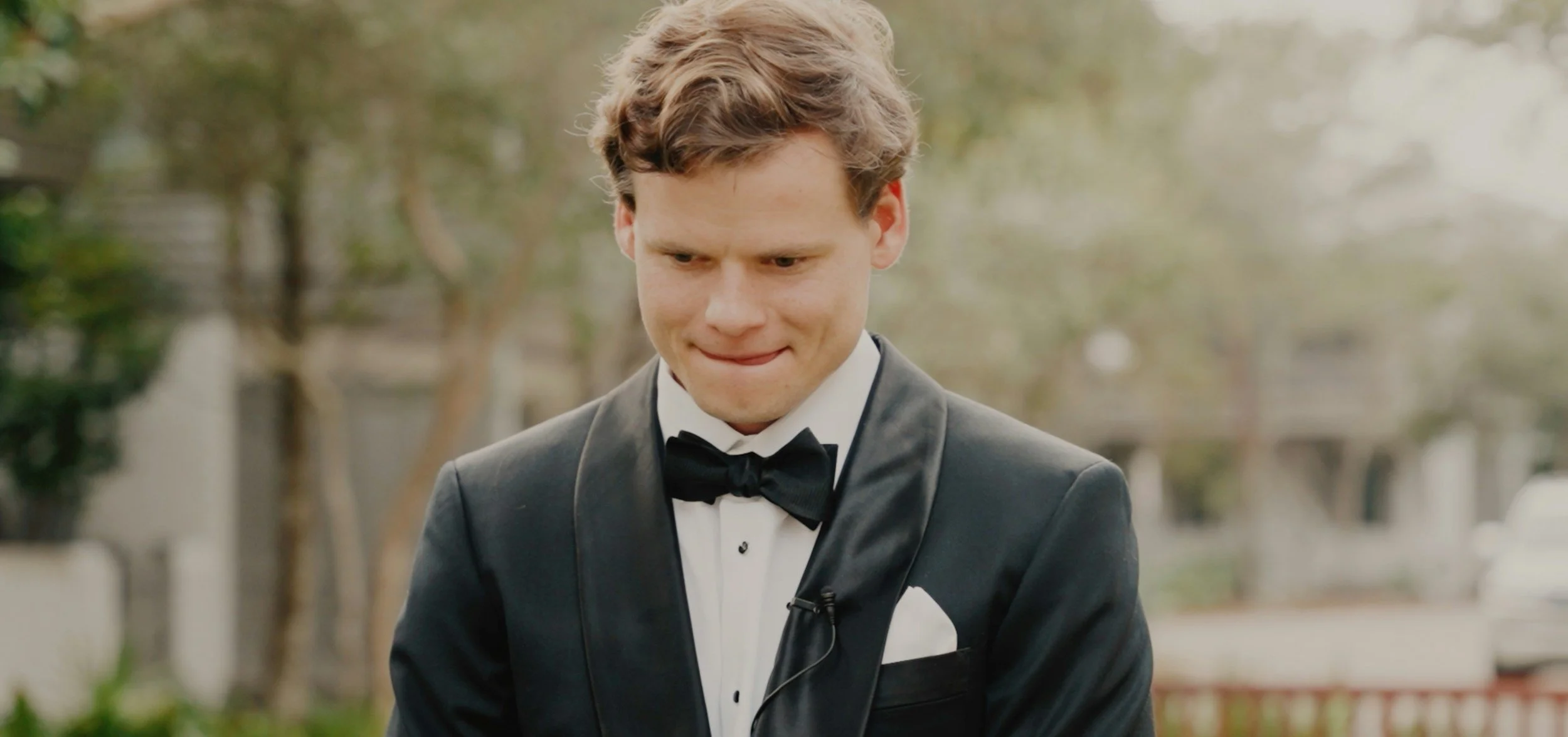
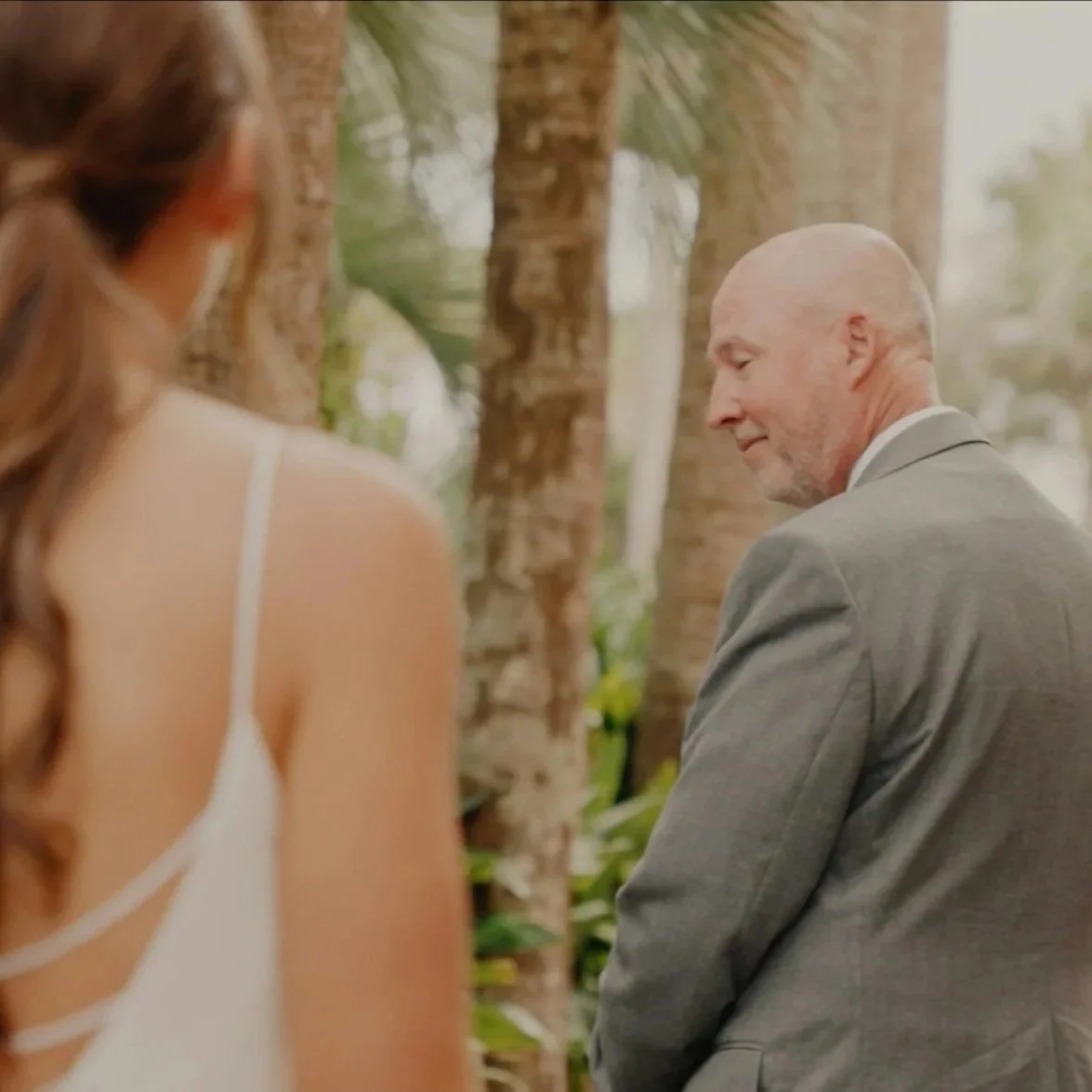
The most meaningful footage often comes from genuine reactions.
Let the day unfold.
Your vendors are professionals and should be able to anticipate and capture moments without constantly interrupting them.
Communicate About Family Formals
Family photographs can become one of the more structured parts of the day.
Make sure your photographer knows who needs to be present, and let your videographer know if there are particular family interactions you want captured naturally around those photographs.
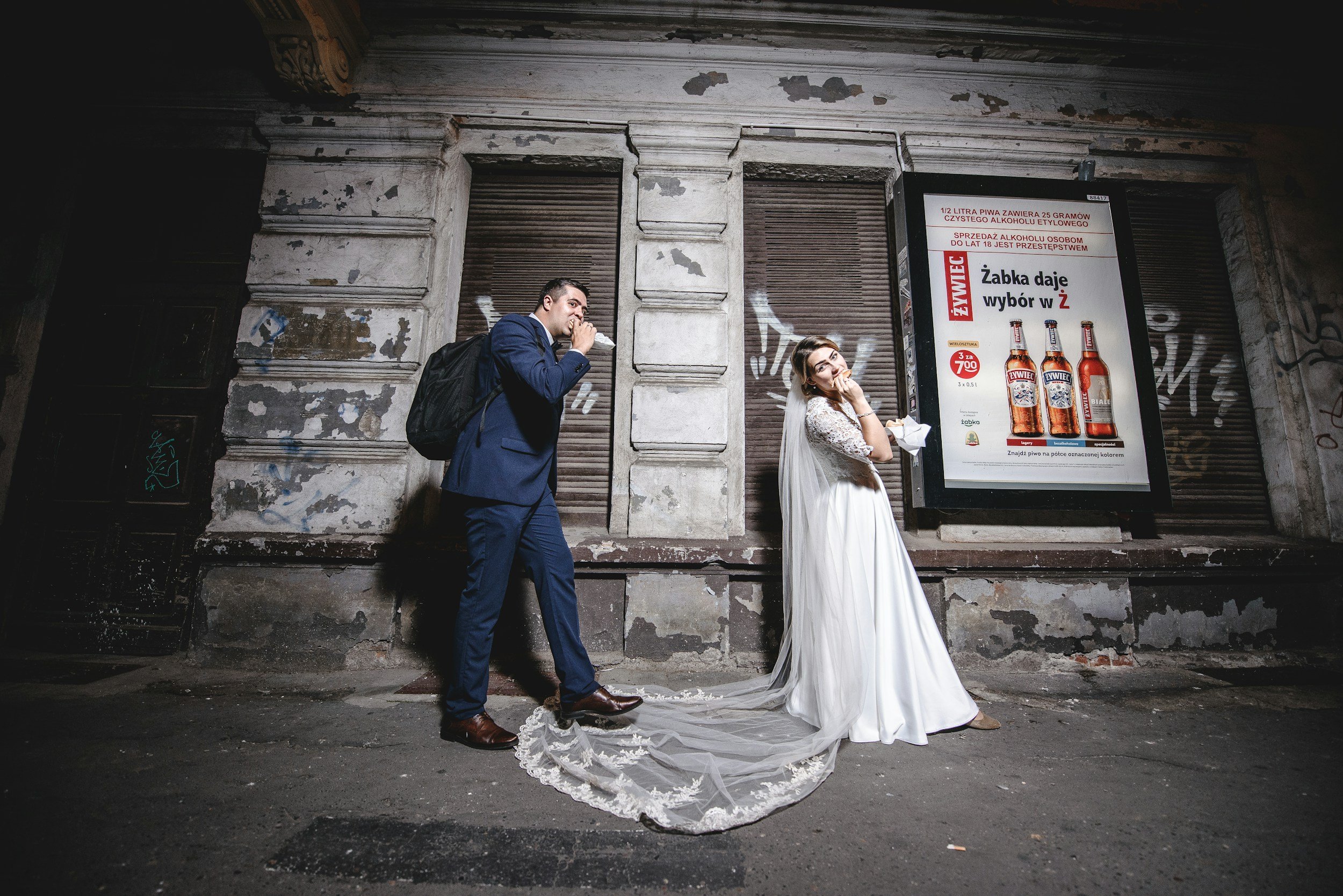
Remember That Your Wedding Isn't a Production Set
You hired professionals so you can enjoy your wedding.
You shouldn't have to spend the entire day thinking about cameras.
Let your photographer photograph. Let your videographer film. Let your family celebrate. Let your friends dance.
The best footage often comes when everyone forgets they're being filmed.
Find Vendors Who Share the Same Philosophy
Ultimately, the relationship between your photographer and videographer should make your day easier—not more complicated.
If you're looking for wedding videography in Toronto and the GTA, Xpression Video Productions would be happy to discuss your plans.
Your photographer preserves the moments you can frame. Your videographer preserves the moments you can hear, see and relive.