The Rise of Nostalgic Wedding Films: Why Vintage Is Back
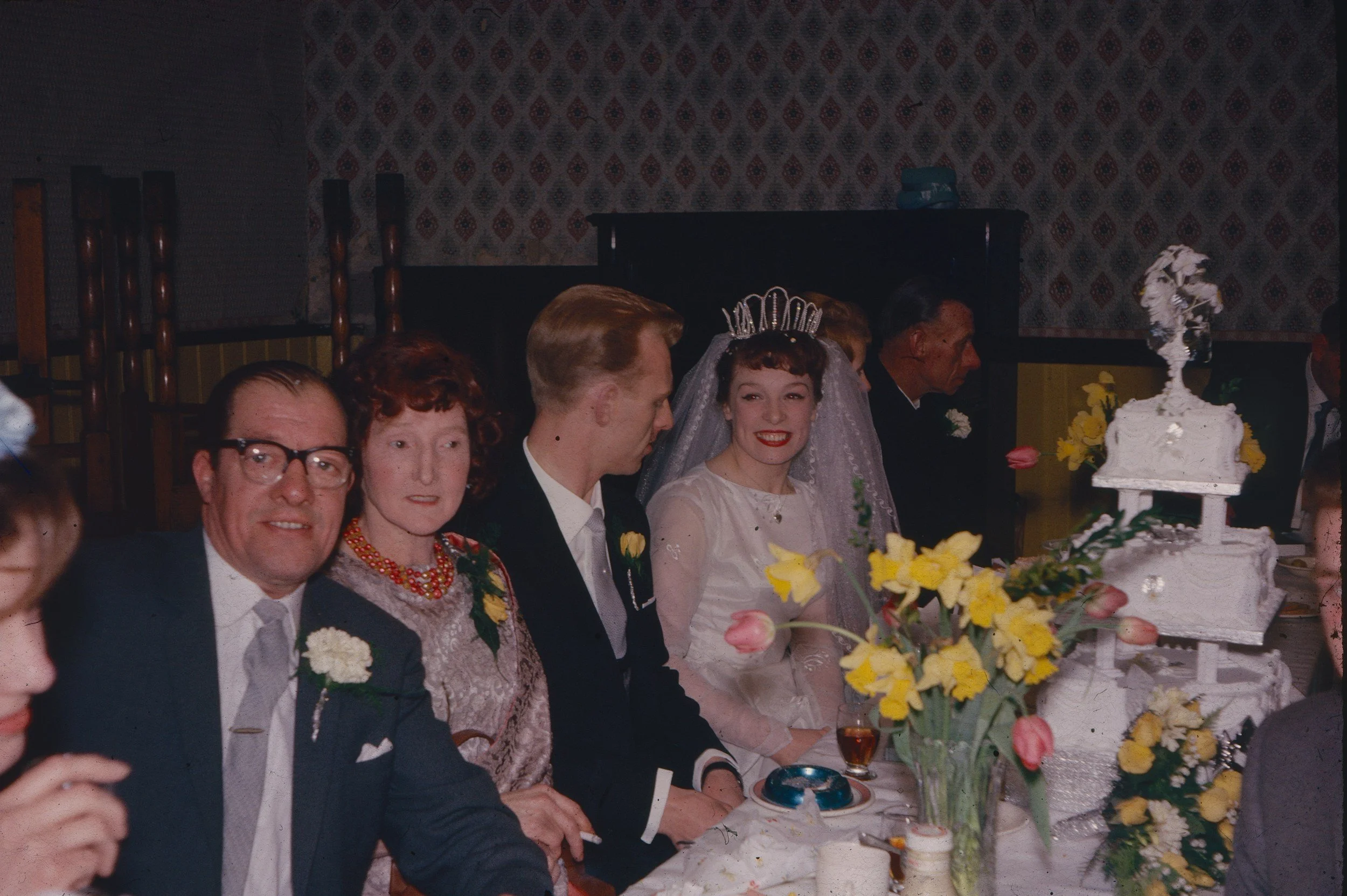
Imagine opening an old shoebox in your parents' attic. You find a stack of photos from the 1970s or a dusty VHS tape from the 90s. The images aren't perfectly sharp. The colors might be faded or shifted toward warm ambers and sepia tones. There might even be a bit of static or grain. Yet, when you look at them, you feel something profound. You feel the memory.
This specific emotional resonance is driving one of the biggest shifts in the wedding industry right now: the rise of the nostalgic wedding film.
For years, the goal of wedding videography was perfection. We moved from HD to 4K, and now even 8K. We stabilized cameras until they floated like ghosts. We made the colors true-to-life and the audio crystal clear. But recently, a counter-movement has emerged. Couples are trading perfection for feeling. They are asking for the grain, the light leaks, and the raw, unpolished aesthetic of the past.
In this post, we will explore why modern couples are falling in love with vintage aesthetics, the techniques videographers use to achieve this look, and how you can incorporate this timeless style into your own big day.
The Craving for Authenticity in a High-Definition World
Why are we looking backward? The answer lies in our daily visual diet. We are constantly bombarded with ultra-high-definition content. Our phones capture images sharper than our eyes can see. Social media feeds are curated to perfection.
In this environment, "perfect" can sometimes feel sterile. It can feel manufactured.
Nostalgic wedding films offer an antidote to digital fatigue. They feel authentic because they embrace imperfection. When a wedding film looks like a home movie from 1965 or 1995, it tricks the brain. It bypasses the analytical part of your mind that judges lighting and composition and goes straight to the emotional center. It feels like a memory you have already cherished for decades, even if the wedding only happened last Saturday.
This trend isn't just about a filter; it is about a philosophy. It prioritizes the "vibe" and the emotion of the moment over the technical specifications of the camera.
A major influence behind this movement has been the popularity of hit TV shows like "Stranger Things." By reviving the look and feel of the 1980s—from synth-heavy soundtracks to the soft glow of analog film—these shows have sparked a renewed cultural love for the aesthetics of that era. Couples who grew up on or now love this retro media are bringing a sense of 80s nostalgia into their wedding memories, inspired by the color palettes, music, and storytelling techniques featured on screen. As a result, wedding videography is echoing those familiar vintage vibes, helping couples evoke both personal and pop-culture-inspired memories in their films.
The Tools of Time Travel: Achieving the Aesthetic
Creating a nostalgic film isn't as simple as slapping a filter on an iPhone video. Skilled videographers use specific tools and techniques to transport your wedding footage back in time.
1. The Magic of Super 8 and 16mm Film
The gold standard for nostalgic videography is actual film. Many videographers are dusting off Super 8 cameras (popular in the 60s and 70s) to shoot weddings.
Super 8 film has a distinct look that is almost impossible to replicate perfectly with digital software. It has heavy grain, beautiful saturation, and "light leaks"—flashes of red or orange light that happen when the film is exposed to the sun. The mechanical whir of the camera and the need to change film cartridges add a tactile, deliberate pace to the shooting process. The result is dreamy, romantic, and instantly timeless.
2. The Camcorder Renaissance
While Super 8 mimics the 60s and 70s, another trend is targeting the 90s and early 2000s: the "Dad Cam" aesthetic. Videographers are using old Hi8 or MiniDV camcorders to capture footage that looks like a classic home movie.
This style is less about romance and more about fun, raw energy. It often features timestamp overlays, harsh on-camera flash for the dance floor, and that specific "glitchy" digital zoom look. It reminds us of childhood birthday parties and family vacations, bringing a sense of comfort and unpretentious joy to the wedding video.
3. Color Grading and Frame Rates
For couples who want the safety of modern digital backup but the look of film, post-production plays a huge role. Editors manipulate the colors to mimic vintage stocks.
Sepia and Warm Tones: Pushing the highlights toward yellow and shadows toward teal creates a classic "Kodak" look.
Lower Frame Rates: Modern video is usually smooth (24, 30, or 60 frames per second). Old film was often choppier, around 18 frames per second. Videographers can mimic this "stutter" to make the movement feel more like a memory and less like a broadcast.
4. Retro Soundscapes
Visuals are only half the battle. The audio drives the nostalgia. Instead of modern pop hits or epic cinematic orchestras, these films often utilize:
Oldies: Motown, classic jazz, or 70s rock.
Lo-Fi Beats: Music that sounds like it’s being played on a vinyl record with scratches and pops.
Audio Weaving: Mixing raw audio—laughter, wind, the click of a lighter—prominently into the music to ground the viewer in the physical space.
Why Nostalgia Feels Timeless
It seems contradictory to say that a "trend" is "timeless," but nostalgic filmmaking manages to bridge that gap.
When you chase the latest high-tech trend—like 3D transitions or ultra-slow-motion drone dives—you risk your video looking dated in five years when technology moves on. Think about early 2000s special effects; they look cheesy now.
However, a film that mimics the 1960s already looks old. It cannot age poorly because it is designed to look aged from the start. It steps outside of the current timeline. Twenty years from now, a Super 8 style wedding film will look exactly the same as it does today: like a classic piece of history.
Furthermore, this style emphasizes the people, not the production. By stripping away the gloss of high-definition, the viewer is forced to focus on the smiles, the tears, and the messy, beautiful interactions between guests.
Tips for Curating Your Nostalgic Wedding Film
If you are ready to embrace the grain and warmth of a vintage-inspired wedding video, you need to plan for it. Here is how to ensure your final product matches your vision.
How Pop Culture Fuels 80s Nostalgia
It’s impossible to ignore how hit TV shows like Stranger Things have helped spark renewed interest in 1980s nostalgia. The show’s atmospheric colors, synth-driven soundtrack, and retro visual style have made many couples nostalgic for the magic and emotion of decades past. That influence is now seen in the growing number of wedding films that embrace VHS-inspired effects, vintage transitions, and bold, throwback music choices—which can give your wedding video a truly unique, cinematic flair.
Choose a Specialist
This is the most critical step. Do not hire a videographer known for crisp, 4K luxury films and ask them to "make it look vintage." You need someone who specializes in this aesthetic.
Ask about their gear: Do they shoot on real film (Super 8/16mm) or do they emulate it digitally? Both are fine, but you should know what you are paying for. Real film is often an expensive add-on due to developing costs.
Review their portfolio: Look for consistency. Do their films make you feel that sense of nostalgia even if you don't know the couple?
Set the Scene with Wardrobe and Props
You can help your videographer by giving them textures to work with. Vintage elements in your wedding design translate beautifully to this style of film.
Transportation: A getaway in a vintage convertible or a classic Rolls Royce looks incredible on Super 8 film.
Fashion: Veils, lace, and pearls pick up light beautifully and enhance the soft, romantic vibe.
Details: Consider using film cameras as props for your guests, or have a typewriter for your guestbook. These physical objects reinforce the analog theme.
Pick Locations with Texture
Modern, sleek, all-white venues can sometimes clash with a gritty, vintage film style. Locations with history and texture tend to work best.
Historic Homes or Estates: Peeling paint, brick walls, and overgrown gardens look stunning in grainy footage.
Nature: The organic chaos of a forest or the movement of the ocean pairs perfectly with the organic imperfections of film.
Trust the Imperfection
On the day of the wedding, let go of the need for "perfect" shots. If you are shooting on real film, the focus might be soft for a second. The camera might shake. The lighting might flare.
Don't fight it.
If you stop posing and start interacting naturally with your partner, the film will capture that energy. The most nostalgic moments are the candid ones—the messy hair in the wind, the loud laugh during a toast, the stolen kiss when no one was looking.
Preserve the Past: Our Video Transfer Services
If you have cherished VHS tapes, camcorder recordings, or older wedding films sitting at home, you can keep these memories alive for future generations. We offer professional transfer services that convert your old video formats to upscale, HD digital files—making them easy to share and enjoy on any modern device. Not only does this preserve the quality and sentiment of your original footage, but it also gives your most treasured moments the longevity they deserve.
For more details, check out our blog, "Tapes to Digital: Preserving Memories for the Digital Age".
Your wedding day will fly by in a blur. When it is over, you won't just want to remember what it looked like; you will want to remember what it felt like.
Nostalgic wedding films are more than just a hipster trend. They are a way to bottle the emotion of the day in a vessel that feels permanent and precious. By embracing vintage aesthetics, you are creating an heirloom. You are making a movie that won't just sit on a hard drive, but one that will feel just as magical when you show it to your grandchildren fifty years from now as it does today.
Whether you choose the romantic grain of Super 8 or the fun energy of a 90s camcorder, choosing nostalgia ensures your memories remain timeless.
Related Posts